
One cubic yard of soil can weigh more than 3,000 pounds, and it can collapse in less than a second!
Trenching and excavation work is essential to construction, utility, and infrastructure projects, but it’s also one of the most hazardous tasks on any jobsite. In recent years, OSHA has increased enforcement of excavation safety violations, often after preventable fatalities.
The danger is real. The solution is training.
When your team understands the hazards below the surface (and how to control them), they’re equipped to protect themselves and their coworkers while keeping your project moving forward.
Why Trench Safety Training Is Essential
A trench might look stable, but what lies beneath the surface can change in an instant. Vibrations from equipment, shifting soil layers, or unmarked utilities can all lead to collapse or serious injury. Trained workers are better prepared to recognize hazards, respond appropriately, and follow OSHA-compliant procedures that reduce risk.
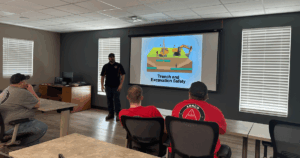
Our Trench and Excavation Safety Training is a 4-hour course that delivers practical, field-tested instruction. It covers everything from soil analysis to safe access and egress – all tailored to the unique risks and requirements of your jobsite.
What the Trench & Excavation Safety Course Covers
This isn’t a one-size-fits-all class. It’s a fully customizable safety training designed for real crews working real jobs. Taught by certified instructors, the course includes:
- Trenching and Excavation Standards (OSHA 1926 Subpart P)
- Hazard Awareness and Risk Identification
- Soil Mechanics and Classification
- Protective Systems (sloping, shoring, shielding)
- Requirements for Working Near Utilities
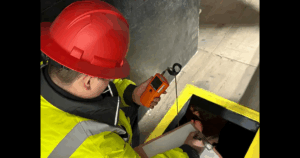
- Atmospheric Hazards and Ventilation
- Water Accumulation Risks
- Access and Egress Standards
- Competent Person Responsibilities
- Installation and Removal Procedures
- Safe Entry and Exit Practices
- Exposure to Vehicular Traffic
Arnco Safety’s goal with this course is to help every participant build a working knowledge of trench safety best practices and to prepare designated team members to take on the critical role of the Competent Person.
The Role of a Competent Person
OSHA requires that a Competent Person inspect trenches daily and as conditions change. This individual must be capable of identifying existing or predictable hazards and authorized to take immediate action to eliminate them.
Our training prepares workers for this responsibility by giving them the technical knowledge and decision-making skills necessary to fulfill the role.
Safety Tips for Trenching and Excavating
Training is the first step. Safe practices on the jobsite are the next. These core safety tips help prevent the most common trenching and excavation incidents:
- Conduct a Site Assessment:
Before work begins, assess soil type, moisture content, nearby structures, and the presence of underground utilities. This information determines your protective system. - Implement Proper Protective Systems:
Use sloping, shoring, or shielding to prevent cave-ins. The correct system depends on the trench depth and soil classification. - Keep Spoil Piles at a Safe Distance:
Place excavated soil and materials at least 2 feet from the trench edge. This reduces the risk of falling debris and trench wall collapse. - Wear Required PPE:
Workers should use hard hats, steel-toed boots, gloves, high-visibility vests, and eye protection. PPE is the first line of defense against falling objects or slips. - Ensure Ventilation in Deeper Trenches:
If toxic gases or low oxygen levels are possible, monitor atmospheric conditions and use blowers or fans to ventilate the space. - Provide Safe Access and Egress:
Ladders or ramps should be located within 25 feet of all workers and extend 3 feet above the trench edge for safe access. - Know Utility Locations Before You Dig:
Contact 811 or your local utility locator service. Striking a buried line can lead to fire, electrocution, or serious environmental hazards.
These precautions, reinforced by proper training, drastically reduce the chance of injury or death on trenching jobs.
Build a Safer Worksite from the Ground Down
Trenching hazards are avoidable, but only if your team knows what to look for and how to respond. A four-hour course may be all that stands between your crew and a serious incident.
With Arnco’s trench and excavation training, you’ll get more than just compliance. You’ll get a partner who understands what safety means in the field.
Register Today and Train with the Best
Empower your team with the tools, training, and knowledge to work smarter and safer in every trench. Register for your class today or contact us to schedule onsite training that fits your crew’s needs.
Safety starts before the first shovel hits the ground. Let’s get your team ready.