When someone’s life is in your hands, will you know what to do?
In an emergency, there’s no time to second-guess your skills—or wish you’d taken the right training.
That’s why the CPR/First Aid/AED and Bloodborne Pathogen Course at the Arnco Safety Training Center delivers everything your team needs in one hands-on, OSHA-compliant program. This 4–6 hour course is designed for safety managers, employers, childcare professionals, and individuals who need to meet workplace safety training requirements—or just want to be ready to save a life.
One Course. Complete Certification. Total Confidence.
Unlike piecemeal training programs, this all-in-one safety training course combines:
- Adult CPR
- Child/Infant CPR
- AED (Automated External Defibrillator) Use
- Standard First Aid
- Bloodborne Pathogen Safety
Each section is integrated to give participants a comprehensive emergency response education—and includes real-life practice and testing with certified instructors.
Offered at the Arnco Safety Training Center in Trenton, Illinois, this life-saving course is designed to prepare individuals and teams to respond confidently and effectively in critical situations. Led by certified instructors, participants can expect a hands-on, OSHA-compliant course that includes nationally recognized certifications valid for two years. More than just a CPR class, this is a comprehensive safety training that covers everything from cardiac emergencies to bloodborne pathogens, all in a single, streamlined session.
Comprehensive Training That Meets OSHA Standards
This isn’t a pieced-together program of separate certifications. The CPR, First Aid, AED & Bloodborne Pathogen course is a complete training solution that fulfills the requirements of:
- OSHA 29 CFR 1910.151
- OSHA 29 CFR 1910.1030 (Bloodborne Pathogens Standard)
- 37 FR 5504
- Various federal, state, and professional licensing agencies (including childcare, healthcare, and construction industries)
Whether you’re a Safety Manager needing to meet OSHA standards, an HR director overseeing onboarding protocols, or a childcare provider fulfilling licensing needs, this course ensures your team is prepared and properly certified.
What Your Team Will Learn
Adult, Child, and Infant CPR
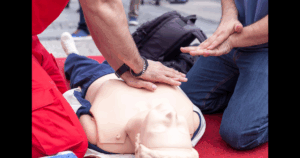
The course begins with core CPR techniques for adults, children, and infants. Participants learn how to assess a victim’s condition, perform chest compressions and rescue breaths, and respond to choking situations using the Heimlich maneuver.
Instruction includes:
- Emergency recognition and immediate action
- Contacting emergency services (911)
- Identifying signs of heart attack and stroke
- Administering CPR based on age-specific guidelines
- Foreign body airway obstruction responses for all age groups
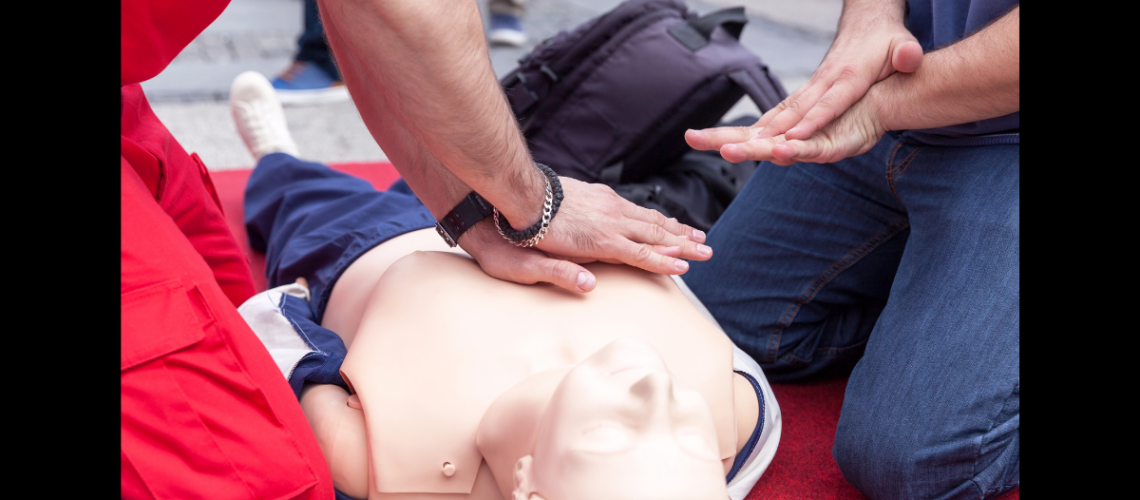
This hands-on training uses a 1:1 manikin ratio, giving each participant an opportunity to practice and refine their technique under the guidance of a certified instructor. A dedicated Q&A session follows, along with knowledge and skills testing to ensure proficiency.
Standard First Aid
First Aid can mean the difference between a full recovery and long-term disability—or even life and death. The course provides participants with the ability to respond to a broad range of medical emergencies before professional help arrives.
Topics include:
- Performing a head-to-toe exam of an injured person
- Treating bleeding, puncture wounds, and amputations
- Responding to burns (thermal, chemical, and electrical)
- Managing fractures, sprains, and musculoskeletal injuries
- Caring for stroke, asthma, and diabetic emergencies
- Handling seizures and anaphylactic shock
- Using proper bandaging techniques for different injuries
The training is highly practical and realistic. Bandaging materials are provided for hands-on exercises, and instructors guide participants through common emergency scenarios to build confidence and critical thinking under pressure.
AED Training: Not Just Theory, Real Practice
Sudden cardiac arrest is among the leading causes of death in the United States with more than 350,000 people experiencing a cardiac arrest every year. Without prompt intervention, the chance of survival drops by 10% every minute.
Currently, the only way to restore a regular heart rhythm during cardiac arrest is to use an AED, so access to an AED can significantly increase survival chances. Unfortunately, owning the device isn’t enough – knowing how to use it correctly is essential.
Arnco’s AED training goes far beyond watching a video or reading a manual since participants will not only learn but also put into practice these key areas of safety training:
- Checking for responsiveness
- Calling 911 and retrieving the AED
- Assessing breathing and pulse
- Properly attaching AED pads
- Allowing the device to analyze the heart rhythm
- Safely administering the shock when prompted
- Continuing CPR as necessary
The training emphasizes clarity and confidence. Devices used in the course are real training units that simulate actual AED operation. The hands-on component ensures that participants not only understand the theory but can perform each step calmly and accurately in an emergency.
Why Hands-On Safety Training Matters
While online AED courses may offer convenience, they fall short in one critical area: skills demonstration.
“Online safety training courses do not allow you to demonstrate your skill proficiency to a certified instructor, and therefore your certification may not meet the requirements for workplace safety.” – Rolly Walker, GM of Arnco Safety
Hands-on instruction provides real-time feedback, correction of improper techniques, and builds muscle memory. More importantly, it ensures compliance. Many workplaces, particularly those under OSHA regulation, require certifications earned through instructor-led, in-person courses.
By choosing in-person AED training, your team gains:
-
- Real-world readiness
- Confidence to act under pressure
- Certification that stands up to audits and inspections
Bloodborne Pathogen Awareness
The final portion of the course focuses on bloodborne pathogens, which present serious risks in workplaces where exposure to blood or bodily fluids is possible.
Participants learn:
- What bloodborne pathogens are and how they’re transmitted
- How to use personal protective equipment (PPE)
- Best practices for spill cleanup and decontamination
- Proper disposal methods for contaminated materials
- Post-exposure procedures and required documentation
This portion of the training is especially important for healthcare workers, sanitation employees, emergency responders, and anyone responsible for workplace safety protocols involving exposure control.
Safety Certification and Course Materials
Each participant receives:
- CPR, First Aid & AED certification (valid for 2 years)
- Bloodborne Pathogen training (valid for 1 year)
- Student training manuals
- 2-year access to online refresher training
- Bandaging supplies and practical training tools
Certification is granted upon passing a knowledge assessment and hands-on skills test. Instructors are certified professionals with real-world experience and are committed to helping participants meet industry standards.
If you’re searching for First Aid CPR AED certification in Trenton, Illinois, this course provides the complete training you need in one day.
Be Ready When It Counts
Emergencies are unpredictable—but how you respond doesn’t have to be. The CPR, First Aid, AED & Bloodborne Pathogen course at Arnco Safety Training Center prepares your team with the knowledge, confidence, and skills they need to act fast and save lives.
Register today to secure your spot in the next training session, or contact us to schedule a private course for your team on-site.