Confined Space Rescue Services & Training: Safety in High-Risk Industries Starts Before Entry
In high-risk industries, confined space incidents rarely happen because teams are unaware of the danger. They happen when routine work meets changing conditions.
From refineries and tank farms to wastewater systems and manufacturing plants, confined spaces are part of daily operations – so, confined space safety training must be as well.
Maintenance shutdowns, inspections, cleaning, and repairs often require workers to enter environments where a single hazard can escalate into a life-threatening emergency within seconds.
For industries like oil and gas, industrial construction, utilities, and manufacturing, confined space rescue planning is not just about OSHA compliance. It’s about protecting workers, minimizing operational risk, and ensuring every job is completed safely.
What Counts as a Confined Space?
A confined space is any area that has limited entry or exit, is not designed for continuous occupancy and/or requires workers to enter for maintenance, inspection, or operational tasks.
Common examples of confined spaces include:
- Storage tanks
- Vessels and separators
- Pipelines and vaults
- Utility pits and manholes
- Silos and hoppers
- Wastewater systems
When these spaces include hazards such as toxic atmospheres, engulfment risks, energized equipment, or restricted movement, they become permit-required confined spaces under OSHA standards.
Why Oil & Gas Operations Face Elevated Risk
In oil and gas environments, confined spaces often involve multiple overlapping hazards.
Workers may encounter:
- Hydrogen sulfide or toxic gas exposure
- Oxygen-deficient atmospheres
- Flammable vapors
- Heat stress
- Mechanical and electrical hazards
- Limited visibility and communication challenges
Tasks such as tank cleaning, turnaround maintenance, pipeline work, or vessel inspections frequently place teams inside high-risk environments where rescue access can be difficult and response time is critical.
This is why many leading contractors, industrial facilities, and energy operations rely on dedicated confined space rescue services during shutdowns and specialty projects.
The Problem With “Routine” Confined Space Work
One of the biggest risks in confined space entry is familiarity.
A technician who has entered the same vessel dozens of times may begin viewing the task as routine. Procedures become rushed. Communication becomes informal. Small shortcuts start replacing disciplined preparation.
The hazard, however, has not changed.
This issue is not unique to one industry. It affects:
- Refinery maintenance crews
- Industrial contractors
- Utility operators
- Chemical processing facilities
- Manufacturing plants
- Construction teams working below grade or underground
The safest operations understand that experience alone does not eliminate risk. Consistency is what protects workers.
Why Confined Space Rescue Services Matter
Emergency responders are not always positioned to respond fast enough during confined space incidents. In many cases, the first few minutes determine the outcome.
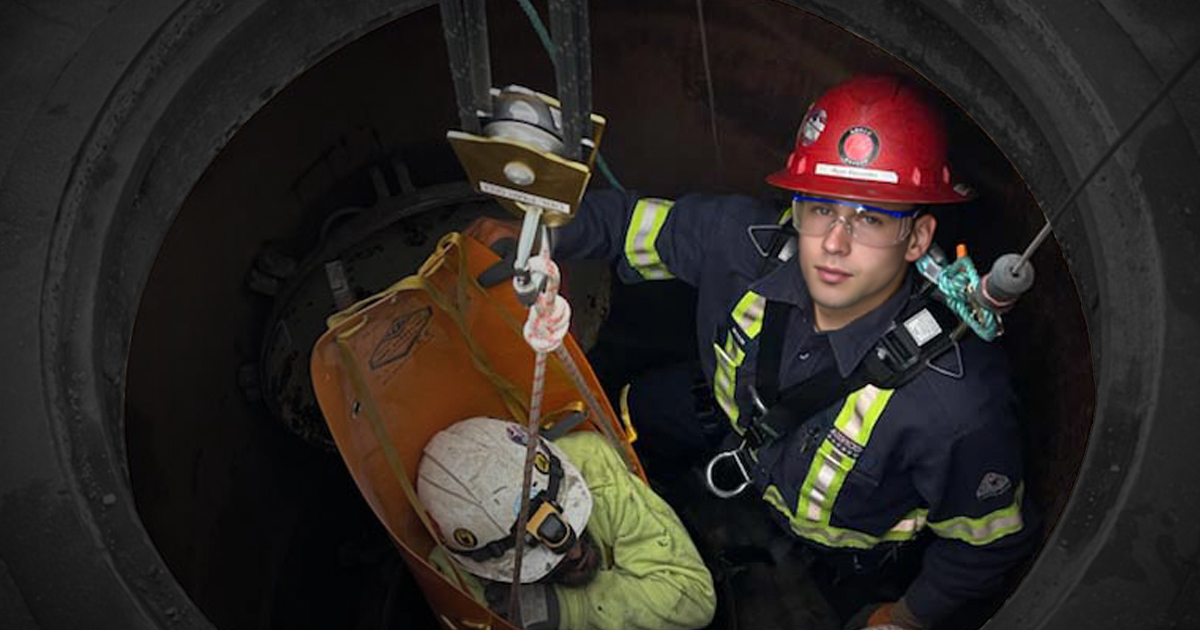
Professional confined space rescue services from Arnco Safety provide:
Immediate Emergency Response
A trained rescue team is already on site and prepared to act.
Hazard Monitoring
Continuous atmospheric monitoring helps identify changing conditions before they become emergencies.
Rescue Equipment & Systems
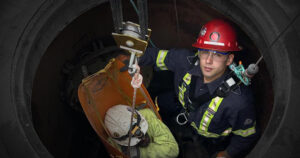
Tripods, retrieval systems, harnesses, ventilation equipment, and communication systems are deployed and ready for use.
Reduced Operational Risk
Standby rescue support helps organizations maintain productivity while strengthening safety compliance.
For industries managing outages, shutdowns, or complex maintenance projects, this level of support can be essential.
Building a Strong Entry & Rescue Program
Safe confined space operations depend on preparation before work begins.
Every entry should clearly define the following roles:
- Entrant
- Attendant
- Entry Supervisor
These responsibilities are critical for maintaining communication, monitoring hazards, and initiating emergency procedures if conditions change.
Rescue Planning Should Never Be an Afterthought
Many confined space fatalities involve untrained coworkers attempting rescue. This is why rescue procedures must be established before entry begins.
Strong rescue planning includes:
- Non-entry rescue procedures
- Stop-work protocols
- Emergency communication systems
- Clearly identified rescue responsibilities
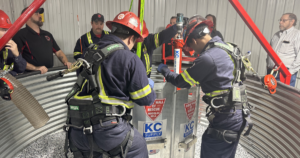
- Hands-on rescue training and drills
Confined Space Rescue Training at Arnco Safety
Training is one of the most effective ways to reduce incidents and improve response readiness.
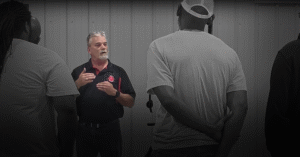
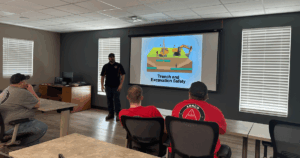
The Arnco Safety Training Center offers practical, hands-on confined space training designed for real jobsite conditions.
Available Confined Space Training Courses
Confined Space Rescue 24 Hour Course
Advanced rescue training with realistic emergency scenarios and team coordination exercises.
Confined Space Rescue 8 Hour Refresher
Keeps experienced personnel aligned with current rescue procedures and best practices.
Confined Space Entry Permit Required 4 Hour Course
Covers safe entry procedures, hazard recognition, and OSHA compliance fundamentals.
Register your team today!
Why Companies Choose Arnco Safety
Choosing the right partner makes a difference.
Arnco Safety brings together training, field experience, and practical knowledge to support your team at every level.
- Experienced instructors with real-world backgrounds
- Highly trained confined space rescue personnel
- Flexible solutions for different industries and job sites
- A focus on both safety and productivity
The result is a safer work environment without slowing down operations.
Safety Starts Before Entry
The most effective confined space rescue is the one that never has to happen.
That starts with planning, disciplined procedures, proper training, and experienced rescue support already in place before work begins.
Contact Arnco Safety to learn more about confined space rescue services or sign up for your team’s next training today.
When conditions change fast, preparation is what protects your people.