The most valuable piece of equipment on any jobsite isn’t a forklift or aerial lift. It’s a well trained team.
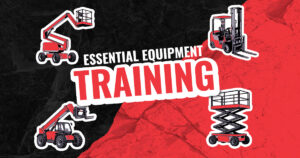
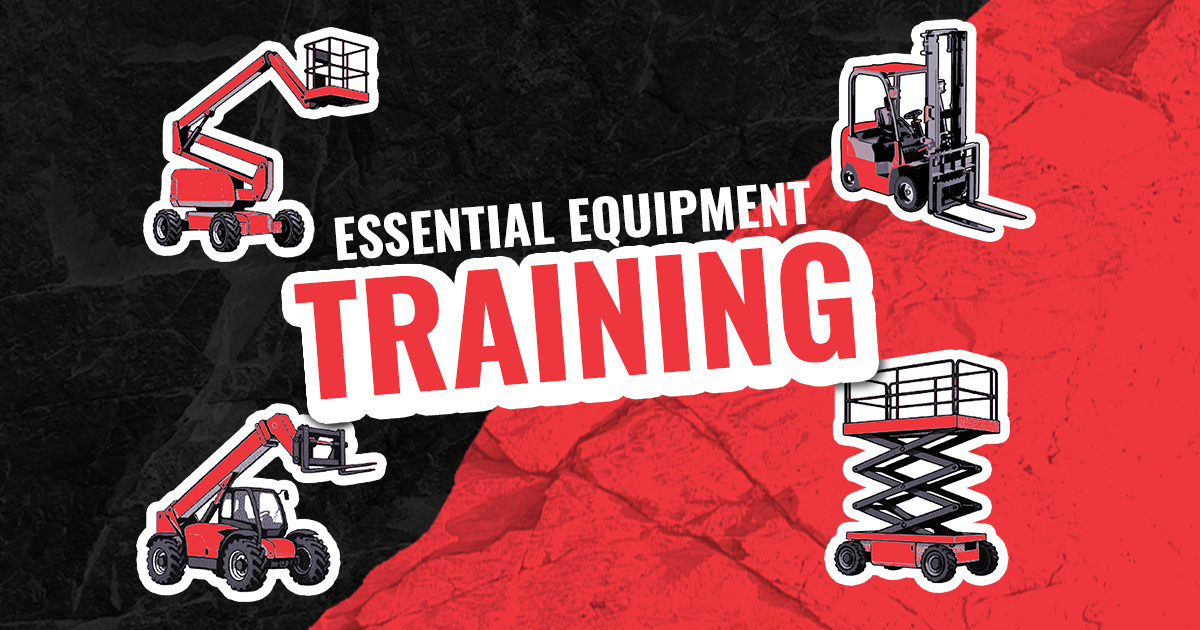
From warehouses and manufacturing facilities to construction sites and industrial plants, powered equipment keeps projects moving. Forklifts help employees move materials. Aerial Work Platforms (AWPs) and Mobile Elevating Work Platforms (MEWPs) help access elevated work areas, and complete demanding jobs more efficiently. However, without proper training, these same machines can quickly become a source of serious injuries, equipment damage, property damage, and costly downtime.
Quality training does much more than satisfy regulatory requirements. It gives operators the knowledge, practical skills, and confidence they need to work safely every day. When employees understand both how to operate equipment and why specific safety procedures matter, they make better decisions that protect themselves, their coworkers, and the business.
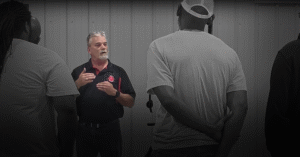
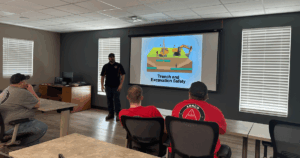
At the Arnco Safety Training Center, classroom instruction is paired with hands-on practical training to help operators build real world skills they can immediately apply on the job.
Why Training Is an Investment, Not Just a Requirement
Many employers begin searching for forklift training or aerial lift training because they need to meet OSHA requirements or qualify employees for specific job duties. While compliance is certainly important, the long term value of training extends far beyond earning a certificate.
Well trained operators help organizations:
- Reduce workplace injuries by recognizing hazards before they lead to incidents.
- Protect valuable equipment through proper operation and routine inspections.
- Minimize downtime caused by preventable accidents or damaged machinery.
- Improve productivity because employees work more efficiently and confidently.
- Strengthen safety culture by encouraging consistent safe work practices.
Every safe decision an operator makes contributes to a more productive workplace.
What Employees Learn During Forklift Training
Powered industrial trucks, including forklifts, operate much differently than passenger vehicles. Their center of gravity changes with every load, visibility is often limited, and improper operation can create serious hazards in seconds.
A comprehensive forklift training program prepares operators to safely perform everyday tasks by covering both equipment knowledge and practical application.
Participants typically learn about:
- Pre operation inspections to identify maintenance or safety concerns before equipment is used.
- Load handling and stability to prevent tip overs and falling materials.
- Safe travel techniques around pedestrians, loading docks, intersections, and confined workspaces.
- Hazard recognition so operators can identify changing workplace conditions that increase risk.
- Parking and shutdown procedures that protect both employees and equipment.
After classroom instruction, participants reinforce these concepts through practical, hands-on evaluation with experienced instructors.
Hands-on experience makes the difference. Reading about equipment operation provides a strong foundation, but practical instruction allows employees to build skills, receive immediate feedback, and develop safe habits before returning to the workplace.
Aerial Work Platform (AWP) Training Helps Employees Work Safely at Elevated Heights
Many construction, maintenance, and industrial projects require employees to work from aerial lifts. Aerial Work Platform (AWP) training prepares operators to safely use this equipment while recognizing the unique hazards associated with elevated work.
Unlike powered industrial trucks, aerial work platforms introduce additional risks related to working above the ground, navigating overhead obstacles, and maintaining platform stability throughout the job.
Training typically includes instruction on:
- Conducting thorough pre use inspections.
- Selecting the appropriate lift for the task.
- Positioning equipment on stable ground.
- Identifying overhead hazards, including power lines and structural obstacles.
- Understanding equipment limitations and safe operating practices.
- Responding appropriately during equipment malfunctions or emergencies.
By learning to evaluate both the equipment and the surrounding work environment, operators become better prepared to complete elevated work safely and efficiently.
MEWP Training Focuses on Modern Elevated Work Practices
As equipment technology and industry standards continue to evolve, the term Mobile Elevating Work Platform (MEWP) has become increasingly common. While many people still refer to aerial lifts as AWPs or aerial lifts, MEWP training reflects today’s terminology and places additional emphasis on planning, risk assessment, and safe operation.
MEWP training helps operators think beyond simply raising and lowering the platform. Participants learn to assess the entire work area before beginning the job and recognize conditions that could increase risk.
Our in-depth safety training often covers: Evaluating ground conditions and site stability.
- Identifying overhead obstructions and nearby workers.
- Understanding fall protection requirements.
- Safe maneuvering in confined or congested work areas.
- Emergency procedures and rescue planning.
These skills help operators make informed decisions before, during, and after equipment use, reducing the likelihood of preventable incidents.
Why Hands On Training Delivers Better Results
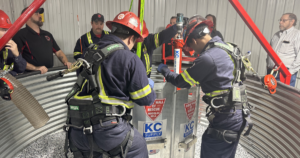
The most effective safety training combines classroom instruction with practical experience. This can be accomplished on the client’s site or at the Arnco Safety Training Center, where crews also gain access to hands-on training with real equipment and innovative simulators. This immersive approach allows employees to apply what they have learned while receiving guidance from experienced instructors.
This approach benefits both new and experienced operators. New employees build confidence before entering the workplace, while seasoned operators have the opportunity to refresh their skills and correct habits that may have developed over time.
The result is a workforce that is not only trained but also competent, confident, and prepared to work safely.
Who Benefits from Equipment Training?
Although equipment operators are the primary participants, quality training benefits every level of an organization.
Safety managers strengthen their overall safety programs by reducing workplace risk. Operations managers see fewer disruptions caused by preventable incidents and equipment damage. Human resources professionals gain a more consistent onboarding process, while Environmental Health and Safety (EHS) teams have greater confidence that employees are prepared to work safely.
Organizations that commonly benefit from forklift, AWP, and MEWP training include:
- Commercial and industrial contractors
- General contractors
- Specialty trade contractors
- Manufacturing facilities
- Warehousing and distribution centers
- Food and beverage operations
- Oil and gas companies
- Agricultural and industrial operations
To explore instructor led courses for groups, visit the Arnco Safety Training Center and review the available in person training options.
Is It Time to Schedule Group Training?
If your organization is experiencing growth or changes in operations, now may be the right time to evaluate your training program and register your team!
Consider scheduling group training if:
- You’ve hired new equipment operators.
- Employees are due for refresher training.
- Your company has added new forklifts or aerial equipment.
- You want to reduce equipment damage or workplace incidents.
- You’re looking to strengthen your overall safety culture.
Proactive training helps employees build the knowledge and confidence they need before an incident occurs.
Build a Safer, More Productive Workforce
A safer workplace starts with well trained employees who understand their equipment, recognize hazards, and make smart decisions throughout the workday.
Forklift, AWP, and MEWP training each play an important role in helping organizations reduce injuries, protect valuable equipment, improve productivity, and support regulatory compliance. By combining classroom instruction with hands-on practical experience, employers can equip their teams with the skills they need to perform their jobs safely and confidently.
Whether you’re onboarding new operators or providing refresher training for experienced employees, investing in professional instruction is one of the most effective ways to strengthen your safety program.